
Introduction
The Quran, regarded as the eternal word of God, transcends the mere arrangement of words on a page; it embodies profound wisdom that has the power to transform lives. For centuries, this divine revelation has served as a guiding light, illuminating paths in times of darkness and providing solace in moments of despair. The Quran’s verses not only resonate spiritually, but they also possess a unique ability to foster personal growth and development, nurturing the mind and spirit of those who engage with its teachings deeply.
Memorizing the Quran, or Hifz, is an endeavor that goes beyond rote learning; it is an active engagement with the text that fosters a meaningful connection between the individual and their Creator. As one internalizes these sacred words, they begin to reflect on their teachings, allowing the divine light to penetrate their hearts and minds. The practice of memorization encourages discipline, enhances focus, and cultivates a sense of inner peace, which is often described as the illumination of the soul.
One might ponder: What effects does this internalization of divine light have on an individual’s character and life choices? Does faithfully reciting and embracing the Quran’s verses influence how one interacts with others? As we embark on this exploration of the transformative powers of Quranic memorization, it is crucial to consider how this sacred practice not only enriches the individual but also fosters a disciplined generation that embodies the values and teachings found within these holy pages. Together, let us delve into this enlightening journey, examining the myriad of ways in which the Quran serves as a beacon of hope and guidance for all who seek its wisdom.
A Light for the Mind and Heart
Memorizing the Quran serves as a profound source of spiritual and intellectual illumination for individuals from various backgrounds. Engaging in this practice enhances cognitive functions, sharpening mental acuity and facilitating improved memory retention. The rigorous process of memorization challenges the brain, allowing it to grow stronger, much like a muscle that increases in endurance through consistent training. When individuals commit verses to memory, they engage in mental exercises that foster not only better recall abilities but also enhanced analytical skills.
Furthermore, the profound wisdom embedded within the Quran contributes to filling the heart with tranquility and guidance. The verses frequently refer to themes of compassion, patience, and perseverance, creating an inner light that helps individuals navigate the complexities of life with clarity and purpose. By reflecting on the meanings and teachings contained within the Quran, individuals can cultivate a moral compass that aids them in making sound ethical decisions and tackling everyday challenges.
Practically, the advantages derived from memorizing the Quran extend beyond mere cognitive enhancement. When faced with trials or tribulations, individuals who have internalized these sacred verses often find solace and reassurance. For instance, reciting verses such as “Verily, with hardship comes ease” (Quran 94:6) can serve as an anchor during difficult moments, fostering resilience and hope. Moreover, the discipline required to memorize the Quran inherently instills a sense of structure within a person’s daily routine, promoting time management, diligence, and a commitment to self-improvement.
In essence, memorizing the Quran not only illuminates the mind but also enriches the heart, creating a harmonious balance that empowers individuals to lead more purposeful lives.
A Path to Divine Success
The act of memorizing the Quran holds profound significance, serving as a pathway to achieving Divine success. When individuals dedicate themselves to this practice, they aim to earn God’s pleasure, which is one of the highest aspirations in a believer’s life. The Quran, being the holy book of Islam, is viewed as not just a guide but a source of illumination for one’s heart and mind, ultimately leading to a life filled with spirituality and purpose.
One of the most compelling aspects of being a memorizer of the Quran lies in the promise of intercession on the Day of Judgment. According to Islamic teachings, the Quran will stand in defense of its memorizer, advocating for their forgiveness and entrance into Paradise. This speaks volumes about the transformative power of committing these sacred words to memory. A memorizer not only embodies the Quran’s teachings but also carries the responsibility of living by them, thereby enhancing their spiritual stature.
Furthermore, the status of a Quran memorizer is notably elevated in the afterlife. It instills a sense of discipline, guiding the individual towards righteous actions and ethical living. By internalizing the Quran, one becomes a living testament to faith, radiating the values inherent in God’s messages. This transformation underscores the profound impact that memorizing the Quran can have on an individual’s spiritual journey, marking them as a beacon of faith within their community.
Thus, the pursuit of memorizing the Quran is not merely an academic endeavor but a spiritual commitment that reshapes one’s identity and purpose, leading to countless divine rewards in this life and the hereafter.
Building a Successful and Organized Generation
The practice of memorizing the Quran is not merely an exercise in rote memorization; it is a profound journey that imparts essential life skills necessary for building a successful and organized generation. Engaging in Quran memorization instills discipline in children and youth, which is crucial for character development. Through a structured routine, individuals learn the importance of time management as they allocate specific periods for memorization, review, and reflection. This ability to manage time effectively is a skill that extends beyond the Quranic context, benefiting various aspects of daily life.
Moreover, the act of memorizing verses requires patience and persistence. As individuals grapple with challenging passages, they develop resilience in the face of difficulty—an invaluable trait that fosters a strong and persevering character. Consistency emerges as another critical component, as regular practice is essential for progress in memorization. This commitment cultivates a sense of responsibility, teaching youth to set goals and follow through with determination. These qualities are foundational for any successful endeavor, promoting a methodical approach to both academic and personal pursuits.
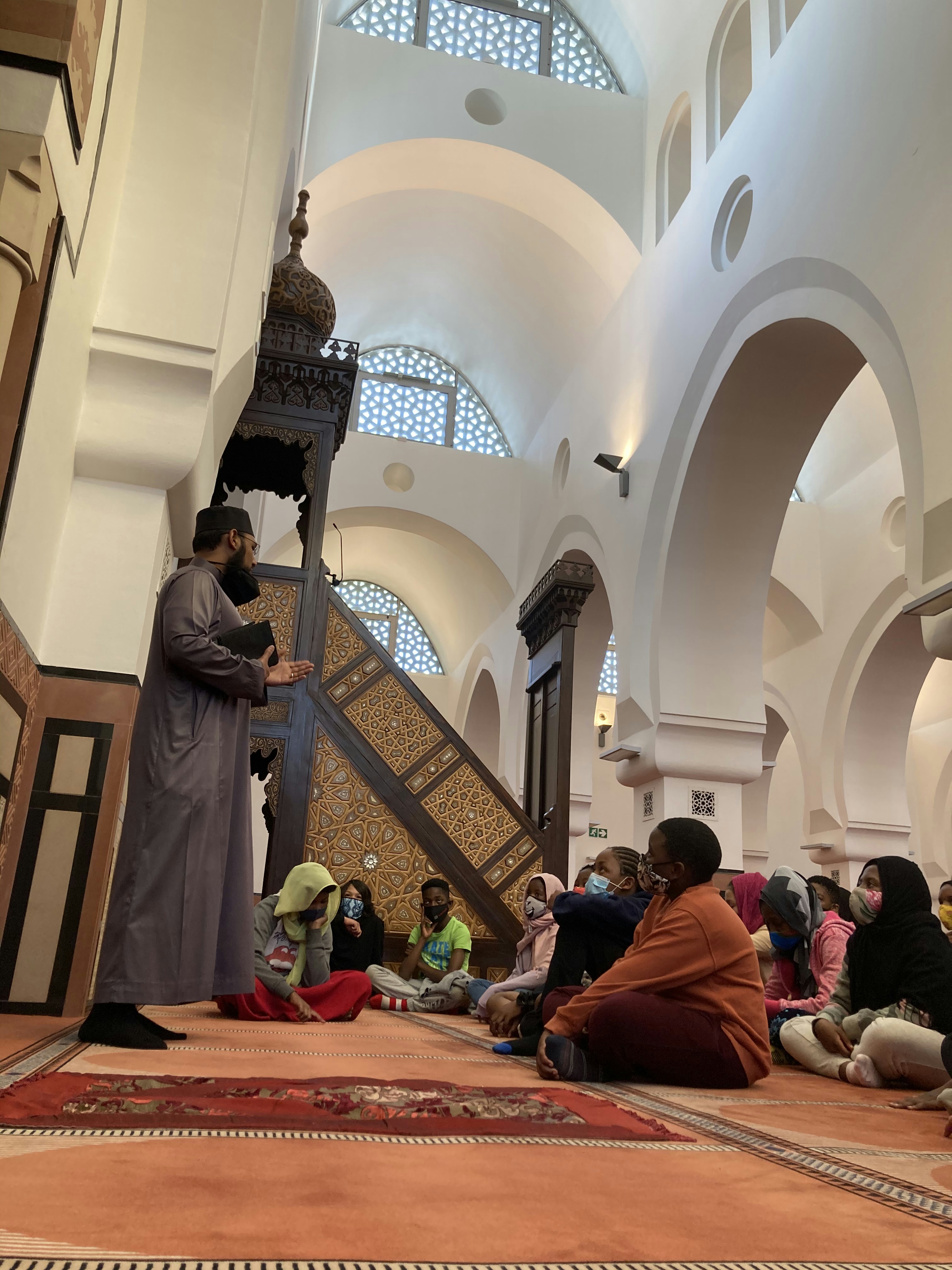
Furthermore, the virtues learned through this discipline contribute significantly to the formation of leadership qualities. As children engage in collective memorization sessions, they also develop teamwork and collaboration skills. They learn the importance of supporting one another, reinforcing the idea that successful leadership is rooted in empathy and cooperation. The moral grounding gained through Quran memorization ultimately contributes to producing morally responsible individuals, who are not only organized in their approach to life but also equipped to lead with integrity.
The Quran as a Blueprint for a Noble Upbringing
The Quran serves as a profound guide for personal and communal development, providing a framework within which children can be raised to embody core values. These values, rooted in the teachings of divine revelation, foster an enriched environment that promotes resilience, righteousness, and fundamental virtues such as honesty, justice, and compassion.
Memorization and understanding of the Quran equip children with critical life skills that are essential in navigating today’s complex world. This structured approach to upbringing results in individuals who are not only knowledgeable about their faith but also adept at applying its principles in various aspects of life. Children who grow up with the Quran as their moral compass are likely to display greater empathy and understanding towards others, guiding them in forming relationships that are built on mutual respect and kindness.
Moreover, the influence of Quranic teachings fosters a sense of accountability in young minds. As children internalize the concepts of justice and fairness, they become more conscientious citizens who advocate for the rights of others. This intrinsic motivation is pivotal in creating a harmonious society where individuals are driven to act with integrity and uphold ethical standards.
Ultimately, a generation nourished by the teachings of the Quran can significantly enrich their communities. By nurturing empathy, resilience, and a commitment to justice, they can contribute meaningfully to societal development. In this way, the Quran stands not only as a spiritual text but also as a vital blueprint for nurturing character and integrity, forming the bedrock of a disciplined and morally upright generation.
Conclusion
In closing, the practice of memorizing the Quran embodies far more than mere retention of text; it serves as a remarkable tool for personal growth and development. The benefits of this sacred endeavor extend into various dimensions of the individual’s life, illuminating the mind with profound wisdom and providing spiritual guidance. As discussed, engaging in Quran memorization enhances cognitive abilities, fosters discipline, and cultivates a deeper connection with the divine, which collectively contribute to a successful and fulfilling life.
Moreover, the significance of this practice transcends individual gains, as it contributes to the formation of a disciplined generation steeped in ethical values and moral responsibility. Children and youth who commit to this enriching journey often develop resilience, focus, and a strong sense of identity rooted in their faith. The intellectual and spiritual investment made into memorizing the Quran has far-reaching implications, positively impacting families and communities at large.
Therefore, as we reflect on the invaluable insights shared regarding the Quran’s transformative power, let us encourage ourselves and others to embark on this rewarding journey—whether maintaining a personal goal or nurturing a child’s spiritual development. Begin with a small step, such as dedicating a few minutes each day to recite and memorize verses. This humble act can cultivate a lifetime of benefits, foster deep connections to the Quran, and inspire a future generation eager to nurture their faith. Ultimately, engaging with the Quran is not merely an academic endeavor but a lifelong journey filled with light and guidance.